Custom Website Design for Businesses That Need a Stronger Online Presence
Your website should help people understand your business, trust your work, and take the next step with confidence. At A Guy That Designs, we create custom websites for businesses that need professional design, clear service content, mobile-friendly structure, and a better way to turn visitors into leads.
A strong website should do more than look good. It should explain what you offer, guide visitors through your services, answer important questions, and make contacting you simple. Our custom website design process is built around clear messaging, clean layouts, SEO-focused copywriting, and a structure that supports both paid ads and organic search.
Custom Website Design Built Around Your Business
A Website That Looks Professional and Feels Like Your Brand
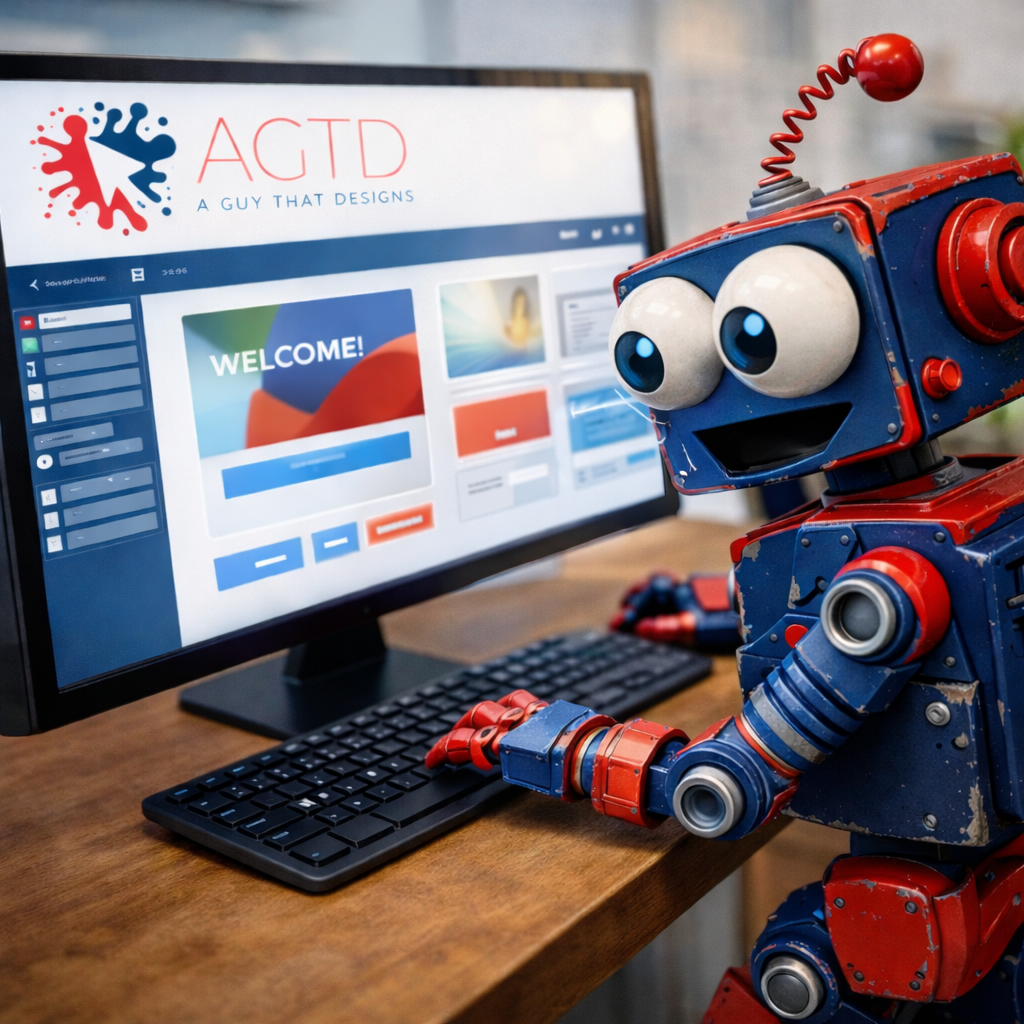
Your website should feel like it belongs to your business. It should match the quality of your work, the personality of your brand, and the expectations of the customers you want to reach. A generic website can make a good business look forgettable, while a custom website can help your company feel more established and trustworthy.
We design websites with your services, audience, and goals in mind. That means the layout, copy, images, calls to action, and page flow should all work together. The goal is to create a website that looks polished without making the message complicated.
For many customers, your website is the first serious impression they get of your business. A professional website gives them a reason to stay, learn more, and contact you instead of moving on to another option.e to the final form at the bottom of the page.
A Clear Message That Helps Visitors Understand What You Do
People should not have to dig through your website to understand what your business offers. Your homepage and service pages need to explain what you do, who you help, and why someone should choose you. Clear messaging can make the difference between a visitor who leaves and a visitor who fills out a form.
We help organize your content so each page has a clear purpose. Your website should answer the questions customers are already thinking about, including what services you provide, what problems you solve, how your process works, and what the next step looks like.
This is especially important for businesses running Google Ads. When someone clicks an ad, the page they land on needs to match what they searched for and quickly confirm they are in the right place.
A Better First Impression for Potential Customers
A dated or confusing website can make people hesitate, even if your actual work is excellent. Visitors may not say it out loud, but they judge your business based on what they see online. If your website feels outdated, thin, or hard to use, it can create doubt before the first conversation ever happens.
A custom website helps remove that doubt. It gives your business a more professional presentation and makes it easier for people to see the value of what you offer. That can be especially helpful when customers are comparing multiple companies.
Your website should make your business feel credible, organized, and easy to contact. When the design and content work together, visitors are more likely to feel confident about reaching out.
Website Strategy for Leads, Calls, and Form Submissions
Built With a Clear Conversion Goal
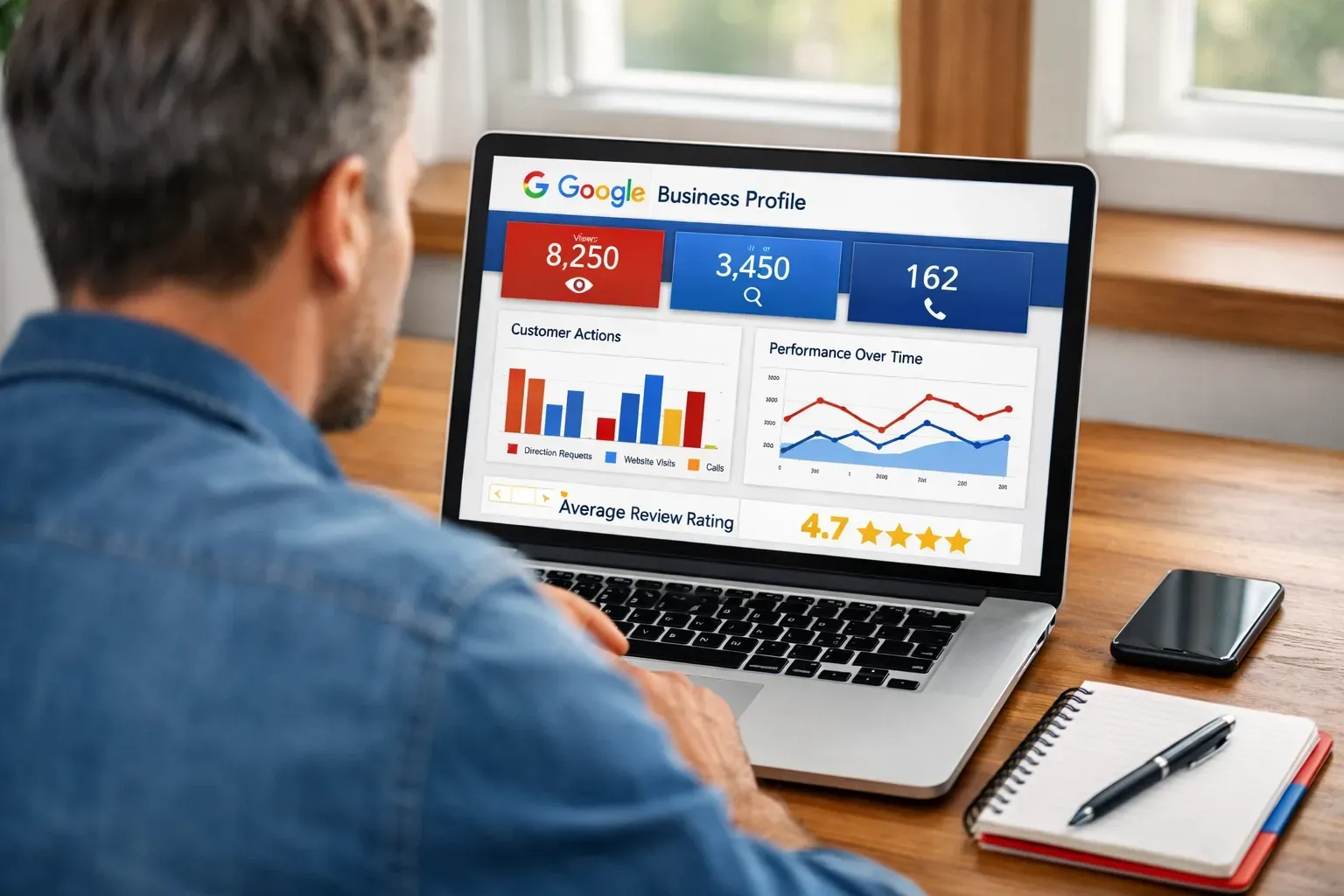
A website should have a job. For many businesses, that job is to generate quote requests, phone calls, consultations, or form submissions. Every major section should help move visitors toward that action without making the page feel pushy or cluttered.
We design website pages with clear calls to action and a simple path forward. That can include buttons near the top of the page, service sections that guide the visitor, pricing information that qualifies leads, and a form section that feels natural by the time someone reaches it.
For this landing page, the main conversion goal is a website design form fill. The page should build enough trust and clarity before the form so the visitor feels ready to submit their information.
Designed to Support Google Ads Traffic
Google Ads traffic needs a focused landing page. When someone clicks an ad for custom website design, they should land on a page that speaks directly to that need. The page should not distract them with unrelated services or make them search for the next step.
A strong ad landing page should include a clear headline, direct service explanation, benefit-focused content, pricing information, and a form that is easy to complete. It should also match the language of the ad closely enough that visitors know they clicked the right result.
This structure helps reduce wasted clicks. When your ad, landing page, and form all work together, your campaign has a better chance of turning paid traffic into real leads.
Structured to Reduce Friction Before the Form
People are more likely to fill out a form when they know what they are asking for and what happens next. A landing page should answer enough questions to make the form feel like a reasonable next step. That includes explaining the service, showing pricing options, and giving people a clear idea of the process.
We recommend using anchor buttons throughout the page that take visitors directly to the form. This gives ready-to-act visitors a quick path while still allowing others to read more before making a decision.
The form itself should collect useful information without feeling overwhelming. A good website design form should ask for the essentials, including name, business name, phone number, email, current website, estimated page count, and project details.
SEO-Focused Website Content and Page Structure
Website Copy Written for Search and Real Customers
Website copy needs to do two jobs. It should help real people understand your business, and it should give search engines the right context about your services. Weak copy can make a website feel unfinished, even if the design looks good.
We write website content that is clear, service-focused, and built around the way customers search. That can include homepage content, service page copy, about page copy, contact page content, FAQ sections, and supporting pages based on your business.
The goal is not to stuff keywords into every sentence. The goal is to use the right terms naturally while creating content that feels useful, readable, and relevant to the customer.
Service Pages That Give Your Website More Depth
A strong website usually needs more than one page. Service pages give your business room to explain what you offer in more detail. They also help search engines understand the different areas of your business.
For example, a business may need separate pages for each major service instead of listing everything briefly on the homepage. This gives each service more room to rank, more room to persuade, and more room to answer customer questions.
Better service pages can also improve lead quality. When someone reads a detailed page about the exact service they need, they are usually more informed by the time they contact you.
Content That Supports Long-Term Marketing
Your website should be built with future marketing in mind. A strong structure can support Google Ads, search engine optimization, social media traffic, email marketing, and direct referrals. That means your website should be useful beyond the day it launches.
SEO-focused content gives you a better foundation for long-term visibility. Even if you start with paid ads, strong website content can continue helping your business after the campaign is paused or adjusted.
This is one reason page structure matters so much. A clean, organized website makes it easier to add new service pages, landing pages, blog content, case studies, and updates later.
Website Packages and Payment Options
Traditional Website Project Plans
Our traditional project plans are built for businesses that want to pay for the website during the project. Each package is based on the number of pages and the depth of content your business needs. Payments are broken into three stages so the full investment is not due all at once.

Gold
7 to 10 pages
Ideal for businesses that need a strong professional website with room for core services, company information, and a contact page.
Traditional Project Plan:
$3,500 total investment
$1,750 deposit
$875 after Phase 1
$875 before launch
Platinum
11 to 20 pages
Ideal for growing businesses that need more service coverage, more content depth, and more room for SEO.
Traditional Project Plan:
$5,500 total investment
$2,750 deposit
$1,375 after Phase 1
$1,375 before launch
Diamond
21 to 35 pages
Ideal for businesses that need a larger website with deeper service content, expanded page structure, and a stronger long-term marketing foundation.
Traditional Project Plan:
$8,500 total investment
$4,250 deposit
$2,125 after Phase 1
$2,125 before launch
AGTD Growth Plan
The AGTD Growth Plan gives businesses another way to get a professional custom website without paying the full project cost upfront. This option can help businesses move forward sooner with a lower first-month investment and predictable monthly payments.
This plan includes up to 1 hour of basic maintenance on your website per month or up to 2 professional blog posts per month.
Gold
7 to 10 pages
Ideal for businesses that need a strong professional website with room for core services, company information, and a contact page.
$750 for Month 1
$247 per month
for Months 2 through 12
Continues month to month at $247
Platinum
11 to 20 pages
Ideal for growing businesses that need more service coverage, more content depth, and more room for SEO.
$1,000 for Month 1
$347 per month
for Months 2 through 12
Continues month to month at $347
Diamond
21 to 35 pages
Ideal for businesses that need a larger website with deeper service content, expanded page structure, and a stronger long-term marketing foundation.
$1,500 for Month 1
$497 per month
for Months 2 through 12
Continues month to month at $497
This can be a strong option for businesses that need a better website now but want to protect cash flow. It gives your company a more manageable path to a professionally built website with clear monthly pricing.
Choosing the Right Website Package
The right package depends on how much your website needs to explain. A smaller business with a few core services may fit well into the Gold Package. A growing business with more services, more detailed content needs, or more search competition may be better suited for Platinum.
The Diamond Package is best for businesses that need a deeper website with more pages and a larger content structure. This may include companies with many services, multiple customer types, a larger sales process, or a stronger focus on long-term SEO.
If you are not sure which package is the best fit, the form at the bottom is the right place to start. Share a few details about your business, and we can help point you toward the option that makes the most sense.
What Comes With Your Custom Website Design Project
Website Planning and Page Organization
A strong website starts with a clear plan. Before the design begins, we help decide what pages your business needs and how those pages should work together. This helps keep the website organized and easier for visitors to use.
Your website may include a homepage, service pages, about page, contact page, FAQ section, landing pages, or additional supporting pages. The exact structure depends on your business, your goals, and the amount of information your customers need before they contact you.
Good page planning also helps with SEO. When each page has a clear topic and purpose, it is easier for search engines to understand your website and easier for customers to find the right information.
Custom Design and Mobile-Friendly Layout
Your website should look clean, professional, and easy to use on every major screen size. We design websites with desktop, tablet, and mobile users in mind. That means your content should be readable, your buttons should be easy to find, and your contact options should be simple to use.
A mobile-friendly layout is especially important for service businesses and Google Ads traffic. Many visitors will click from their phones, skim the page quickly, and decide within seconds if they want to keep reading.
The design should support the message instead of distracting from it. Clean sections, strong headings, useful visuals, and clear calls to action help visitors move through the site with less friction.
Launch Support and Future Website Updates
A website project does not end with a nice design mockup. The site needs to be built, reviewed, revised, checked on mobile, and prepared for launch. We help move the project from planning to design to final website setup.
After launch, your website may need updates as your business changes. We offer packages to help you or can give you the tools you need to do it yourself. You may add services, update photos, adjust pricing, create new landing pages, or improve content over time. A good website should be able to grow with your business.
We can also help with additional marketing needs after the website is live. That may include Google Ads landing pages, SEO improvements, content updates, website maintenance, and future design work.
Why Choose A Guy That Designs for Website Design

Design and Marketing Under One Roof
A website is part of your larger marketing system. It connects to your branding, Google presence, paid ads, social media, printed materials, signs, and customer experience. A Guy That Designs understands how those pieces work together.
That helps us design websites with a more practical mindset. We are not just thinking about how the site looks. We are thinking about how people find it, how they read it, what they need to know, and what makes them reach out.
This approach is especially helpful for small businesses that need their marketing to feel consistent. Your website should match the quality of your brand and support the way your business actually sells.
Clear Communication During the Project
A website project should not feel confusing. You should know what stage the project is in, what information is needed, and what happens next. Clear communication helps the project move faster and reduces frustration.
We help guide the process from the beginning. That includes page planning, content direction, design direction, revisions, and launch preparation. You do not need to know all the technical details to get a strong website.
The goal is to make the process feel organized and manageable. You bring your business knowledge. We help turn that into a professional website that is easier for customers to understand.
Built for Real Business Use
A pretty website is not enough if it does not help your business. Your site should be easy to update, easy to navigate, and easy for customers to use. It should also give you a strong foundation for future marketing.
We build websites with practical business goals in mind. That may include more quote requests, better lead quality, stronger service pages, clearer pricing presentation, or a more professional image.
Your website should make your business easier to trust and easier to contact. That is the standard we build toward.
Questions About Custom Website Design
Here are helpful answers about website design, pricing, SEO, Google Ads landing pages, and how A Guy That Designs helps local businesses across the United States build a stronger online presence.
Our traditional custom website packages start at $3,500 for the Gold Package, which includes 7 to 10 pages. The Platinum Package is $5,500 for 11 to 20 pages, and the Diamond Package is $8,500 for 21 to 35 pages. We also offer the AGTD Growth Plan, which starts at $750 for Month 1 on the Gold Package.
Yes. The AGTD Growth Plan gives businesses a monthly option instead of paying the full traditional project price upfront. The Gold Growth Plan starts at $750 for Month 1 and then $247 per month for Months 2 through 12. The Platinum and Diamond Growth Plans offer larger website options with higher monthly pricing.
Yes. Website copywriting is part of our custom website design process. We can help write content for your homepage, service pages, about page, contact page, FAQ content, and other important sections. The copy is written to be clear for customers and helpful for search engines.
Yes. If your current website feels outdated, incomplete, hard to use, or weak on content, we can help create a stronger version. A redesign may include a new layout, rewritten copy, better service pages, improved mobile structure, and clearer calls to action.
Yes. We can create website landing pages designed to support Google Ads campaigns. A strong ad landing page should match the ad message, explain the offer quickly, answer key questions, and make the form or call button easy to find.
A strong website design form should ask for the information needed to understand the project without making the form feel too long. Recommended fields include name, business name, phone number, email address, current website, services offered, estimated number of pages needed, package interest, and project details.
A Guy That Designs offers custom website design, website redesigns, website copywriting, SEO-focused page structure, Google Ads landing pages, service page creation, content updates, mobile-friendly layouts, branding support, and digital marketing services. We also help businesses connect their website to a larger marketing plan that may include Google Ads, organic SEO, social media content, signs, print materials, and branded apparel.
No. While A Guy That Designs works heavily with local and service-based businesses, we can service local businesses all over the United States. Many businesses do not need a national agency. They need a practical website partner who understands small business marketing, clear communication, and lead-focused website design.
SEO stands for search engine optimization. It is the process of improving your website so search engines can better understand your business, your services, and the pages on your site. Good SEO can include clear page structure, helpful content, proper headings, internal links, image details, technical setup, and service-focused copy that matches what customers are searching for.
Organic SEO focuses on helping your website show up in unpaid search results. Unlike Google Ads, where you pay for clicks, organic SEO works by building stronger website content, better page structure, and more useful information over time. The goal is to help your business earn visibility when people search for the services you offer.
Yes, but they should work together. Website design focuses on how the site looks, feels, and functions for visitors. SEO focuses on how well the website is structured and written for search engines and customer search intent. A strong business website should include both professional design and SEO-focused content.
A new website can help generate more leads when it is built with the right strategy. That means clear service pages, strong calls to action, easy contact options, mobile-friendly design, and content that helps customers understand why they should contact you. A website cannot guarantee leads by itself, but it can make your marketing much stronger.
A website usually has multiple pages that explain your business, services, process, and contact information. A landing page is usually more focused and built around one specific goal, such as getting a form submission from a Google Ads campaign. Many businesses need both a full website and focused landing pages for specific marketing efforts.
Yes. A Guy That Designs offers digital marketing services that can include Google Ads campaign setup, landing page strategy, ad copy, conversion tracking guidance, and ongoing campaign support. A strong website or landing page gives your Google Ads campaign a better place to send traffic.
Not every business needs a large website, but most businesses need enough content to clearly explain their services. A smaller website can work well when the business has a focused offer and a clear market. A larger website may be better when the business has many services, more competition, or stronger organic SEO goals.
After you request a website quote, we review your project details, current website if you have one, estimated page count, content needs, and business goals. From there, we can recommend the best package, explain the payment options, and talk through the next step for your website project.